Integrated Annual Report2025-26

Strategic Governance
and Financial Performance

Building Trust through Integrity

Rooted in a strong value system, we champion ethical leadership and principled decision-making across every level of the organisation. This commitment is reinforced through rigorous compliance, timely disclosures and transparent business practices that foster trust and accountability. We have established a robust governance framework that enables us to ensure consistency, accountability and long-term sustainability across everything we do in an ever-evolving operating environment.

Our Multi-Level Governance Framework

Our Board of Directors, supported by specialised committees, provides disciplined oversight across critical governance domains, including succession planning, talent development, financial stewardship, capital allocation, risk management, ESG priorities, EHS standards, and preventive safety practices.

Board of Directors

Overall governance and strategic oversight, supported by the following Committees

  • Audit Committee

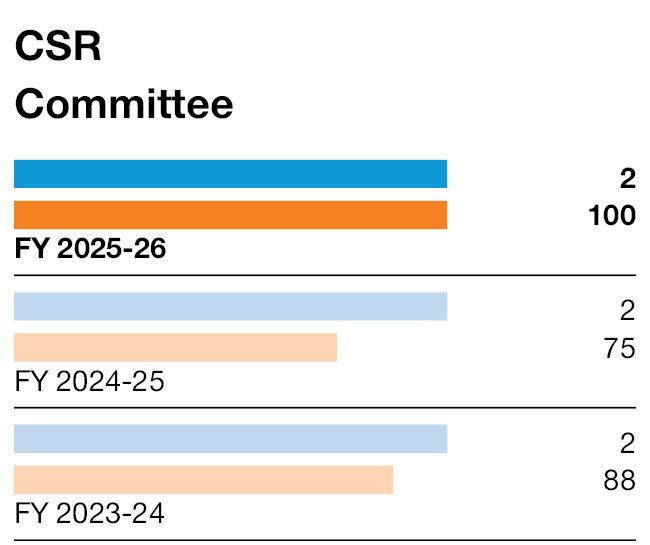
  • Corporate Social Responsibility Committee

  • Stakeholders’ Relationship Committee

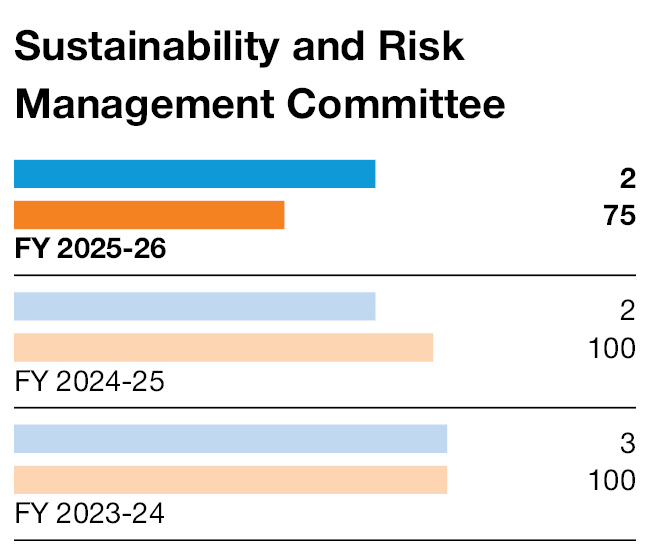
  • Sustainability and Risk Management Committee*

  • Nomination and Remuneration Committee

Executive Committee

Strategic Decision-making

The leadership team is involved in strategic decision-making and plays a key role in driving efficiency, profitability and sustainability.

Regional

Strategic Decision-making

Manage day-to-day operations of the plants ensuring its alignment with the long-term vision of the Company

*We have expanded the mandate of the Risk Management Committee and renamed it the Sustainability and Risk Management Committee to reflect its enhanced role in integrating sustainability considerations alongside traditional risk oversight.

Driving Excellence through Robust Governance

Capital Allocation and Treasury Discipline

We have taken a pioneering step in India by formally introducing a structured Capital Allocation Policy.

Our treasury framework reflects prudence and precision, maintaining approximately 80% of funds in AAA-rated debt instruments, while strategically deploying the remaining balance in AA-rated instruments to maintain an appropriate balance between stability and returns.

Technology-led Risk Management

Advanced technology is leveraged to continuously track and oversee diverse business dimensions, significantly reducing manual intervention and mitigating operational errors.

The integration of SAP across the organisation has reinforced internal controls, enhancing transparency and strengthening systemic checks and balances.

Organisational Governance and Culture

A clear distinction between family ownership and corporate management ensures professionalism and accountability in decision-making.

A comprehensive employee handbook promotes ethical conduct and cultivates a culture grounded in best practices.

Embedding Transparency, Upholding Ethical Excellence

We place transparency and ethical conduct at the core of our operations, guided by a comprehensive Code of Conduct that defines expectations across the organisation.

Code of Conduct and Ethical Standards

  • Our Code of Conduct serves as a definitive guide for Directors, senior leadership, and employees, setting clear expectations for responsible and ethical behaviour

  • We maintain a zero-tolerance approach towards actions that may compromise our integrity, with strict measures against financial impropriety, corruption, harassment, and misconduct

Transparent Reporting and Disclosures

  • We ensure clarity and accuracy in all quarterly results and press releases, in full alignment with applicable accounting standards and disclosure requirements

  • Material events are disclosed promptly to stock exchanges, reinforcing our commitment to openness and regulatory compliance

Strengthened Compliance Framework

  • A robust insider trading code underpins our compliance culture

  • The Insider Compliance Management System enables effective monitoring and enforcement

  • The ACE (Act, Comply, and Ensure) platform streamlines compliance processes, enhancing efficiency and oversight

Responsive Stakeholder Grievance Mechanisms

  • Dedicated systems and resources are in place to address stakeholder concerns swiftly and effectively

  • A third-party mechanism ensures that all shareholder grievances are tracked and resolved within defined timelines

  • A 24-hour toll-free ethics helpline and email channel enable employees and partners to report concerns related to misconduct, bribery, corruption, human rights violations, or policy breaches

    Toll-Free No.: 1800 572 5242

    Email: dalmiaethicscomplaints@ethicshelpline.org

  • Strengthening our multi-channel grievance redressal framework, incorporating plant-level complaint registers alongside formal and informal channels to ensure timely, inclusive, and effective resolution of community concerns

Our Policies
  • 1

    Code of Conduct for Directors and Senior Management

  • 2

    Terms and Conditions of Appointment of Independent Directors

  • 3

    Familiarisation Programme for Independent Directors

  • 4

    Nomination and Remuneration Policy

  • 5

    Whistle Blower Policy and Vigil Mechanism

  • 6

    Stakeholder Engagement Policy

  • 7

    Anti-Bribery & Corruption Policy

  • 8

    Anti-Harassment & Discrimination Policy

  • 9

    Human Rights Policy

  • 10

    ESG Policy

  • 11

    Code of Fair Disclosure of UPSI

  • 12

    Dalmia Tax Policy

  • 13

    Risk Management Policy

  • 14

    Dividend Distribution Policy

  • 15

    Policy for Determination of Materiality of Events

  • 16

    Policy on Material Subsidiaries

  • 17

    Policy on Related Party Transactions

  • 18

    Policy for Preservation of Documents

  • 19

    Policy for Destruction of Documents and Archival

  • 20

    Occupational Health & Safety Policy

  • 21

    Corporate Social Responsibility Policy

  • 22

    Supplier Code of Conduct

  • 23

    Employee Code of Conduct

To know more about our policies, navigate to https://www.dalmiacement.com/investors-relations/corporate-policies

Managing Conflict of Interests

Our Code of Conduct establishes clear protocols for identifying and addressing conflict of interest, ensuring that decisions are made with objectivity and transparency. Senior management formally acknowledges and adheres to these principles, reinforcing accountability across the organisation.

Board members are required to recuse themselves from discussions and decisions where a conflict may arise, with all such instances duly disclosed to the Board or Committee Chair during agenda deliberations. This framework is further supported by a robust whistleblower mechanism, administered by the Ethics Committee, which provides a secure and confidential platform to report concerns. All reported matters are thoroughly reviewed and presented to the Audit Committee on a quarterly basis.

ZeroComplaints received in relation to issues concerning conflict of interest of Directors
ZeroComplaints received in relation to issues concerning conflicts of interest involving KMPs

ESG Governance

Our Chief Sustainability Officer (CSO), plays a pivotal role in developing and implementing the company’s climate and sustainability strategy. The CSO works in close alignment with senior leadership and plant teams to integrate sustainability objectives across key business areas, including manufacturing, finance, strategy, procurement, and operations. These are reviewed and approved alongside financial and capital allocation plans at the Board Level through Sustainability and Risk Management Committee, with progress monitored on a quarterly basis to ensure accountability and alignment.

The team is responsible for monitoring key performance indicators (KPIs), driving cross-functional initiatives, engaging stakeholders, and promoting a culture of continuous improvement throughout the organisation.

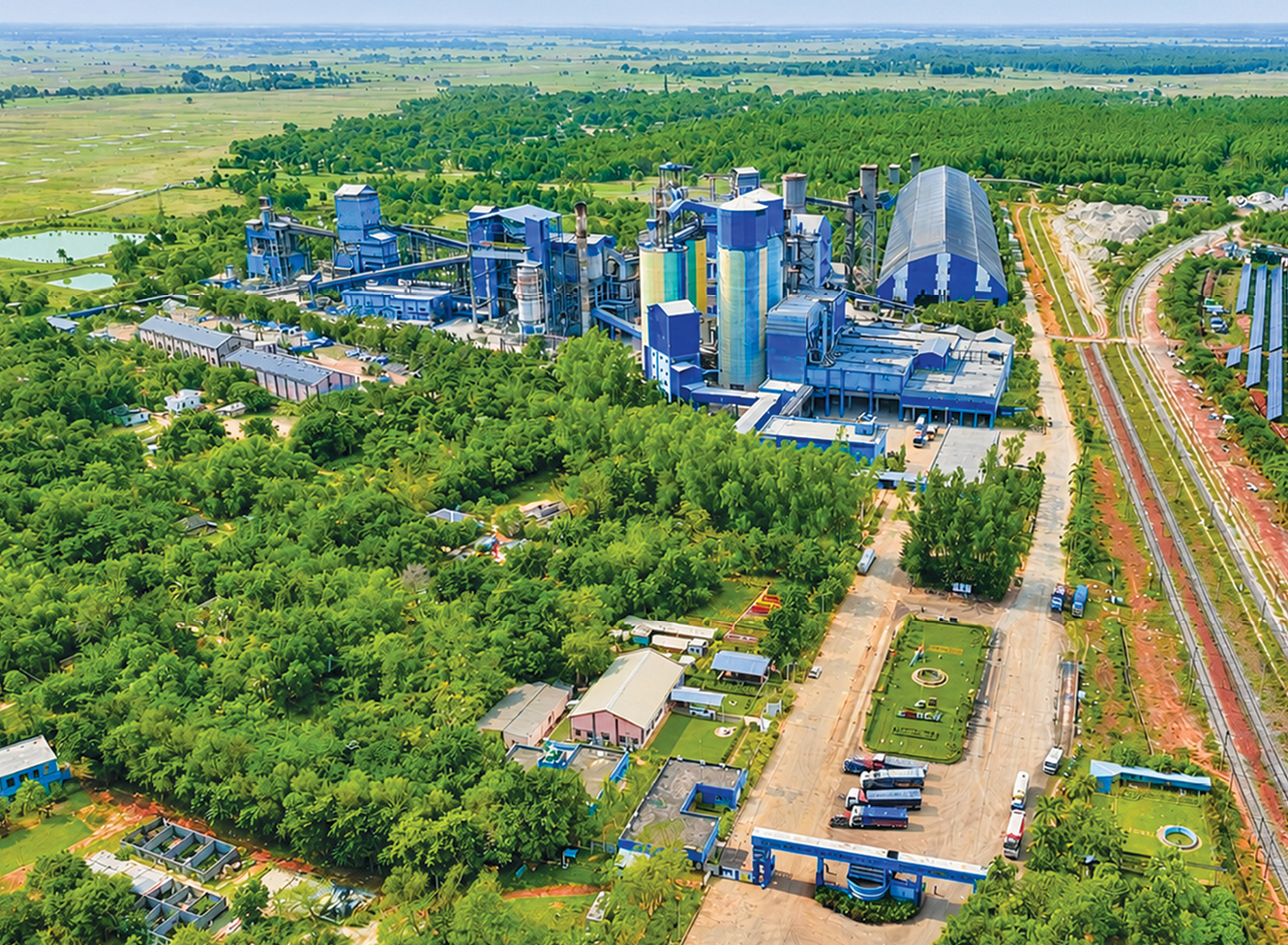
Sattur, Tamil Nadu

Efficient and Responsive Shareholder Grievance Resolution

We have established a robust and responsive framework to address shareholder grievances in a timely and effective manner. A dedicated team, supported by our Registrar and Transfer Agent, M/s. KFin Technologies Limited, manages all complaints received through designated email channels, regulatory platforms such as SEBI SCORES and Smart-ODR, as well as stock exchange portals.

Structured Grievance Redressal Process
  • Complaints received via SEBI SCORES/Smart-ODR are typically resolved within 7 working days, except in exceptional cases involving external dependencies

  • Daily MIS reports and regular governance reviews enable real-time tracking and strict adherence to resolution timelines

  • All pending grievances are closed within the same month, unless restricted by legal or regulatory considerations

Enhanced Monitoring and Oversight
  • Dedicated resources closely track SEBI SCORES/ Smart-ODR cases to ensure timely submission of Action Taken Reports (ATRs)

  • A Quality and Surveillance Audit mechanism ensures that resolutions are accurate, fair, and properly recorded on regulatory platforms

  • Thrice-daily MIS reports on complaint inflow and outflow are shared with Grievance Redressal Managers (GRMs) for continuous monitoring and swift action

Risk Governance Framework

We operate in an increasingly complex business landscape, where opportunities and risks play out in tandem. Thus, we have instituted a robust Enterprise Risk Management (ERM) framework that systematically identifies, analyses, prioritises, and manages potential threats that could impede our value-creation abilities.

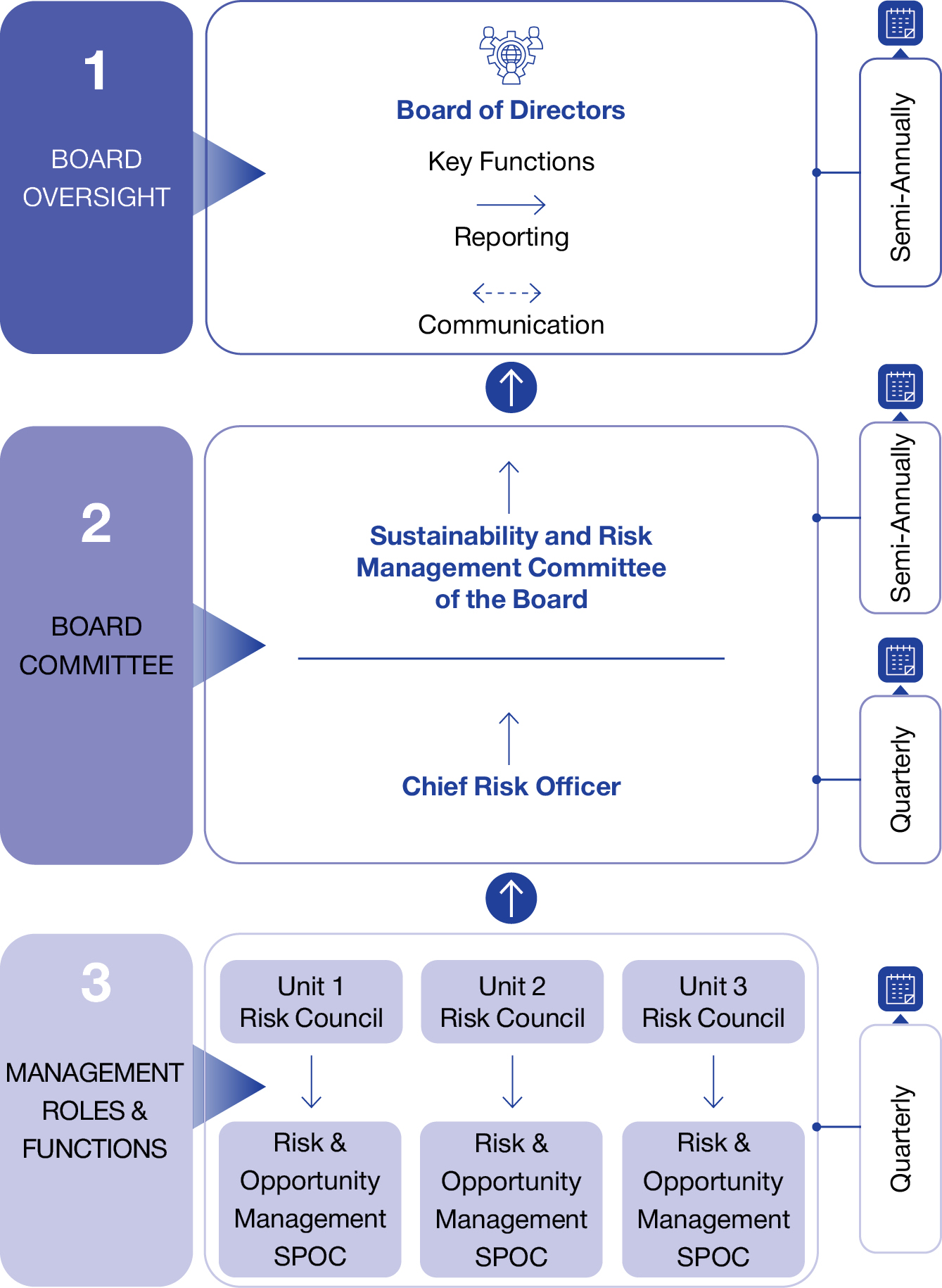
Our approach integrates both top-down strategic oversight and bottom-up operational inputs to ensure a holistic and consistent evaluation of risks across the organisation. For ongoing operations and projects, risk identification begins at the enterprise level and is further refined at individual plant locations through a standardised and consistently applied methodology. To deepen engagement and accountability, dedicated Risk Councils have been established at the plant level. These councils strengthen alignment with the broader risk framework while enhancing local risk ownership.

Operational and plant teams play an active role in identifying, assessing, and documenting risks specific to their environments. Each facility maintains a dynamic risk register, enabling structured tracking of exposures and mitigation actions. This process is reinforced through periodic review forums that monitor progress, evaluate control effectiveness, and surface emerging risks in a timely manner.

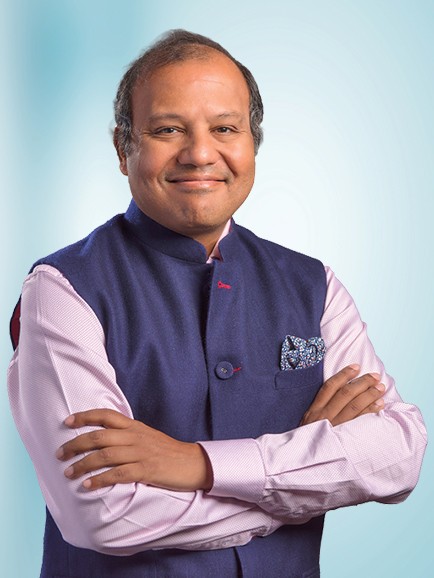
“We navigated an increasingly dynamic risk landscape shaped by geopolitical shifts, input cost volatility, and evolving regulations. Our focus is on agility, rapid response, and scenario planning to safeguard performance. By strengthening operational flexibility, financial discipline, and sustainability initiatives, we aim to deliver consistent growth while building resilience for the future.”

Rajiv Choubey

Group General Counsel and Chief Risk Officer

Risk Management Framework and Process

Our ERM framework is aligned with globally recognised standards, including COSO ERM 2017 and ISO 31000:2018. Risk governance is anchored at the highest levels, with the Sustainability and Risk Management Committee (SRMC), a sub-committee of the Board, providing strategic direction and oversight, while the Chief Risk Officer coordinates with the Executive Committee (ExCom)/Senior Management, the respective ExCom is responsible for driving, managing, and mitigating the identified risks.

1

Scope, Context and Risk Criteria

The process begins with clearly defining the scope of risk assessment, informed by a deep understanding of both internal dynamics and external conditions. This ensures alignment with the organisation’s strategic priorities, setting a structured foundation for all subsequent risk activities.

2

Risk Identification

We systematically identify potential sources of risk, areas of exposure, and their underlying drivers. This includes mapping possible consequences and evaluating how these risks may affect the achievement of business objectives across functions and operations.

3

Risk Analysis, Evaluation and Prioritisation

Identified risks are rigorously assessed based on their potential impact and likelihood. Using a structured risk rating methodology, risks are prioritised to distinguish critical exposures and enable focussed management attention where it matters most.

4

Risk Mitigation

Risk treatment involves designing and executing appropriate mitigation strategies. These actions are tailored to reduce risk exposure to acceptable levels, with continuous evaluation to ensure the effectiveness and relevance of implemented controls.

5

Risk Monitoring and Reporting

Risks are continuously monitored in light of evolving internal and external conditions. Key risks and mitigation progress are reported at defined intervals, ensuring transparency, accountability, and timely escalation where required.

Risk Governance Structure

Objectives and responsibilities of the Sustainability and Risk Management Committee

  • Identify and assess emerging and existing risks across functions through structured stakeholder engagement
  • Analyse root causes and contributing factors for identified risks
  • Document, review, and update mitigation controls within each function
  • Escalate key concerns, challenges, and unforeseen risks to the Board
  • Support the Board in oversight of strategic, operational, and external risk management
  • Review, monitor, and enhance the enterprise risk management framework and practices
  • Evaluate significant risk exposures and effectiveness of mitigation strategies
  • Periodically review and update the Committee Charter, recommending changes to the Board

Awards & Recognitions

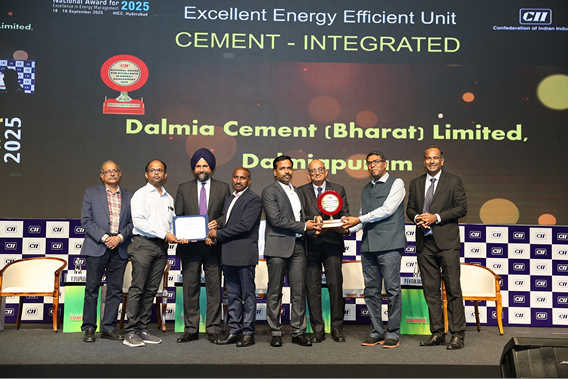
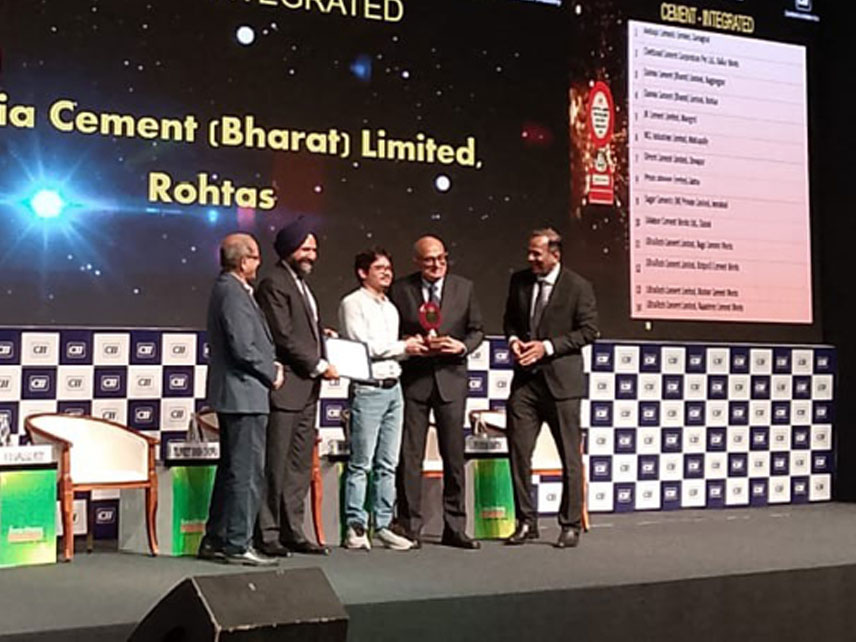
Dalmia Bharat continued to strengthen its leadership in FY 2025-26 in operational excellence, energy efficiency, and sustainability through prestigious national recognitions across its manufacturing units and corporate initiatives.

Energy Management

At the 26th National Award for Excellence in Energy Management 2025, held at HICC Hyderabad, multiple Dalmia Bharat units delivered exceptional performances, reaffirming the Company’s commitment to energy-efficient and sustainable manufacturing practices.

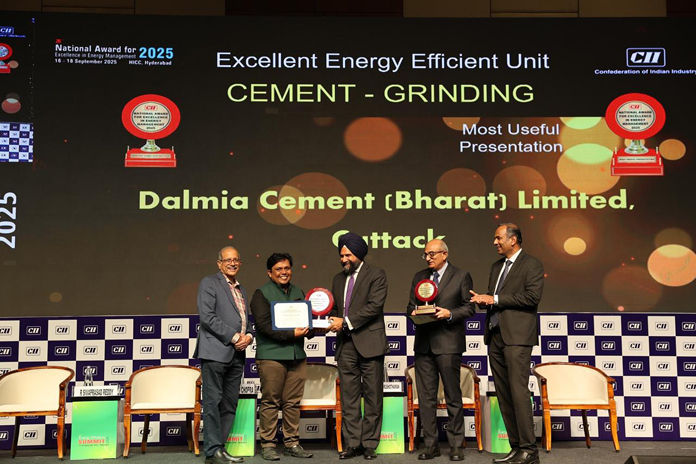
Cuttack Unit

The Cuttack (KCW) unit was honoured as an ‘Excellent Energy Efficient Unit’ and additionally received recognition for the ‘Most Useful Presentation,’ emerging as the only grinding unit among 24 participating units to secure both distinctions together.

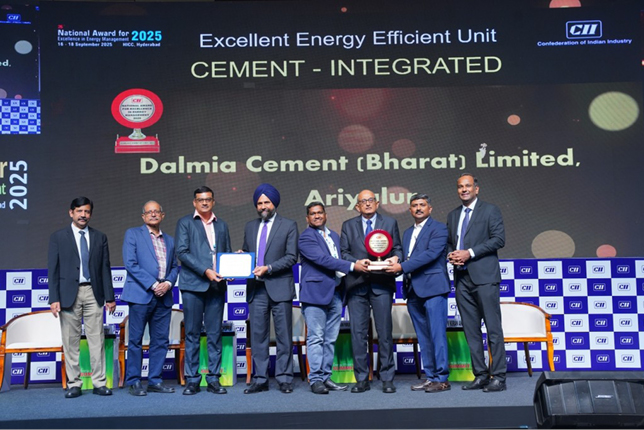
Ariyalur Unit

The Ariyalur unit earned the ‘Excellent Energy Efficient Unit’ recognition for the 14th consecutive year and was crowned ‘National Energy Leader’ for the 6th consecutive year, highlighting its long-standing excellence in energy management and operational performance.

Dalmiapuram Unit

Dalmiapuram unit continued its remarkable journey by securing the ‘Excellent Energy Efficient Unit’ award for the 10th consecutive year while also being conferred the ‘National Energy Leader’ title for the 8th consecutive year.

Rohtas Unit

The Rohtas (RCW) unit was recognised with the ‘Excellent Energy Efficient Unit’ award, reflecting its relentless pursuit of innovation, operational efficiency, and sustainability excellence.

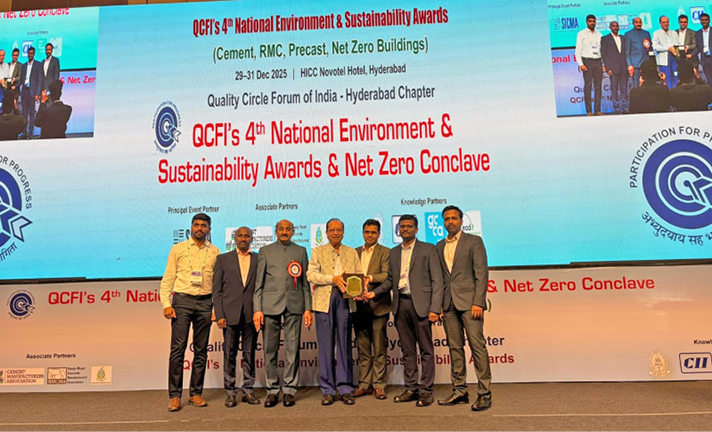
Quality Circle Forum of India 4th National Awards

Further reinforcing its leadership in responsible business practices, Dalmiapuram, Rohtas, Ariyalur, and Sattur units were honoured at the Quality Circle Forum of India 4th National Awards for their outstanding contributions across productivity, energy efficiency, CSR, and environmental excellence. These recognitions showcase the collective dedication, discipline, and commitment of Dalmia Bharat teams toward sustainable growth and operational excellence.

Sustainability

Adding to these achievements, Dalmia Bharat was ranked among India’s Most Sustainable Companies by BW Businessworld Sustainability World. The company secured Rank #1 in the Cement & Building Materials category and achieved an overall Rank #12 among India’s most sustainable companies, underscoring its leadership in advancing sustainability and creating positive environmental and social impact.

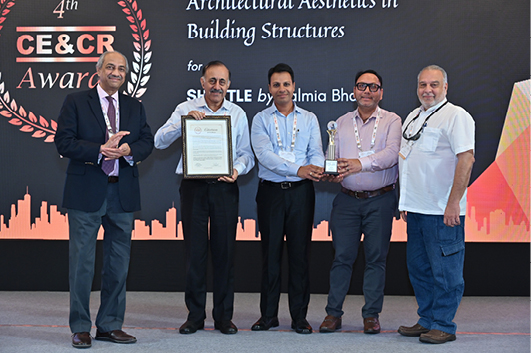
CECR Award

Dalmia Bharat received the Jury Special Award for the Category: Architectural Aesthetics in Building Structures

Project Name: Shuttle by Dalmia Bharat

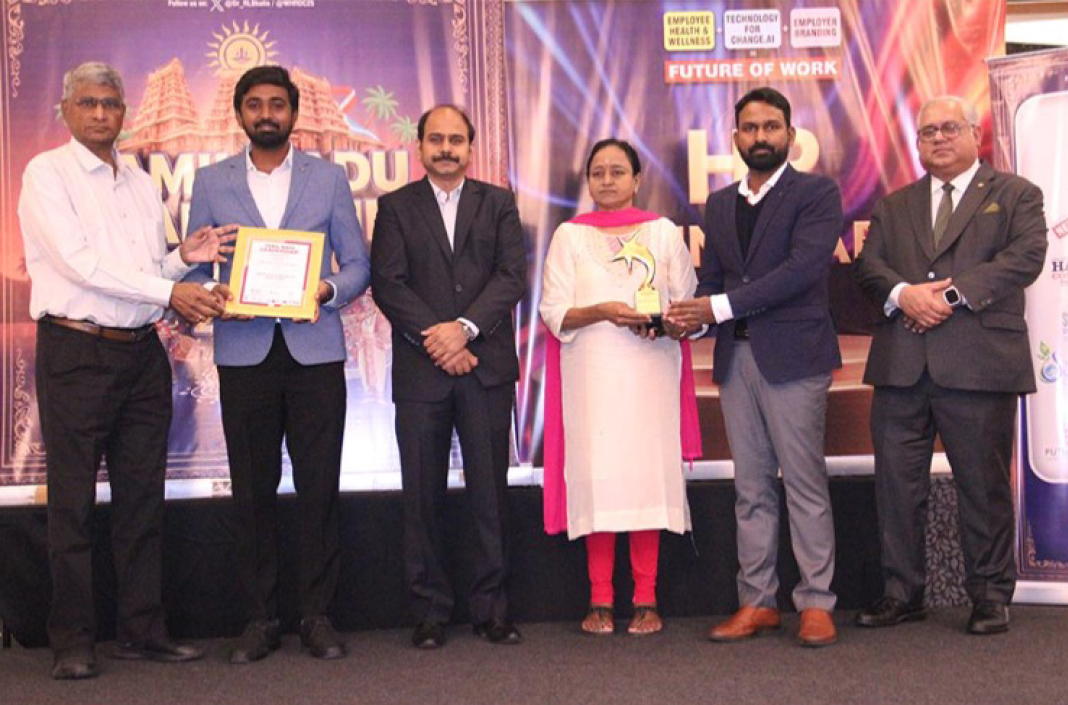
HRD Award

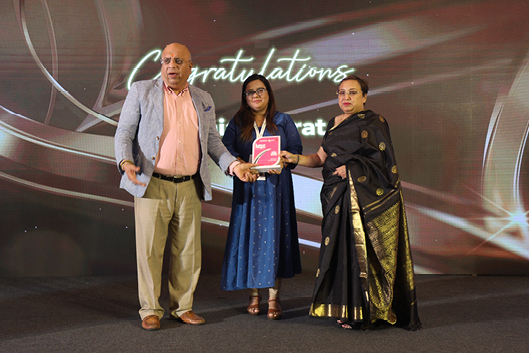
Dalmia Cement was honoured with ‘Dream Employer of the Year’. The award highlights the collective contribution of the management, leadership and employees in building an inspiring and high-performing workplace. This award was won by South and East regional offices.

Guided by Experience and Expertise

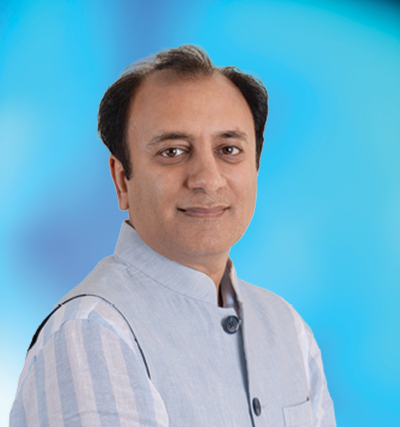
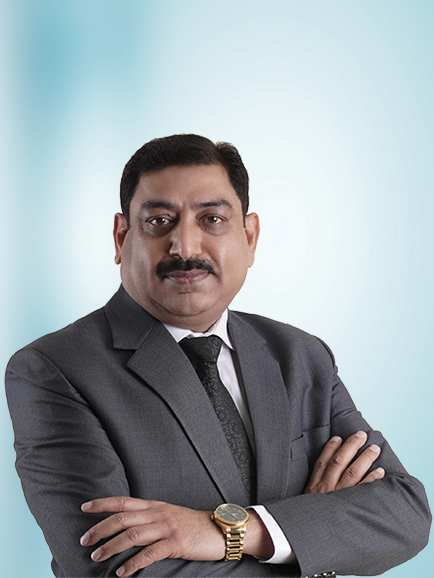
Mr. Yadu Hari Dalmia

Chairperson

Non-Executive and Non-Independent Director

  • 8 years on DBL Board

  • Board Participation: 6/6

Leadership Experience & Qualification

  • Brings over 48 years of experience in the cement industry

  • Former President of the Cement Manufacturers Association

  • Held leadership roles in Dalmia Bharat’s Cement and Sugar businesses

  • B. Com (Hons.) from Delhi University; Fellow Member of ICAI

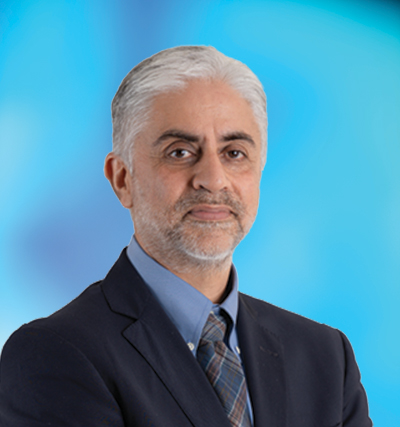
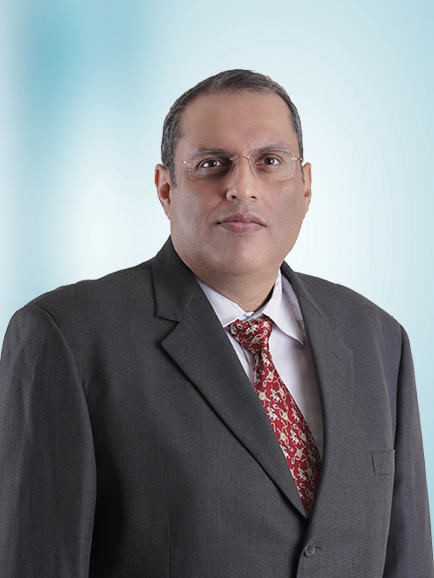
Mr. Gautam Dalmia

Managing Director and Executive Director

  • 8 years on DBL Board

  • Board Participation: 5/6

Leadership Experience & Qualification

  • Over two decades of leadership experience across cement and sugar sectors

  • Pioneered the Group’s ESG initiatives, especially on the social front

  • Leads the Group’s ‘Green Growth’ sustainability strategy

  • B.S. and M.S. degrees in Electrical Engineering from Columbia University

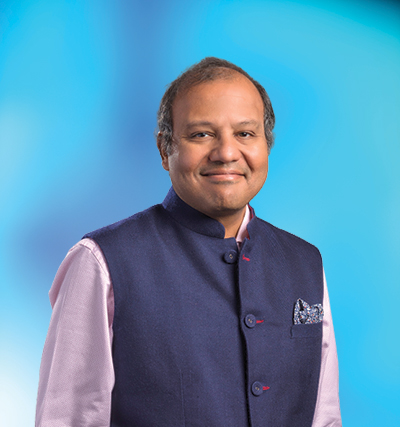
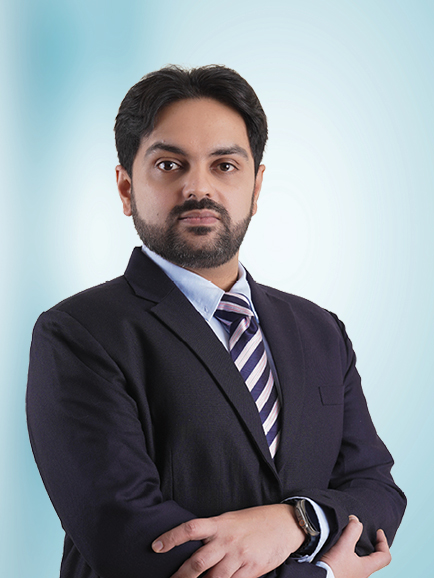
Mr. Puneet Yadu Dalmia

Managing Director and CEO Executive Director

  • 8 years on DBL Board

  • Board Participation: 6/6

Leadership Experience & Qualification

  • Spearheading Dalmia Bharat’s transformation since 2004

  • Co-founded JobsAhead.com, acquired by Monster.com in 2004

  • Chairman, Development Council for Cement Industry (Govt. of India)

  • B. Tech from IIT Delhi; Gold medallist MBA from IIM Bengaluru

Mrs. Anuradha Mookerjee

Non-Executive and Independent Director

  • 2.75 years on DBL Board

  • Board Participation: 6/6

Leadership Experience & Qualification

  • Over 30 years of experience in Indian Revenue Services

  • Championed rural upliftment and cultural sustainability initiatives

  • Topper of 1986 IRS batch; M.Sc. and M.Phil. in Social Anthropology

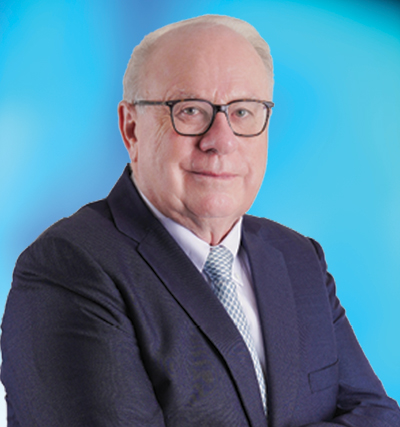
Mr. Paul Heinz Hugentobler

Non-Executive and Independent Director

  • 2.75 years on DBL Board

  • Board Participation: 6/6

Leadership Experience & Qualification

  • Former CEO of Siam City Cement, Thailand

  • Served on Holcim Executive Committee for South and Southeast Asia

  • Degrees in Civil Engineering (ETH) and Economics (St. Gallen)

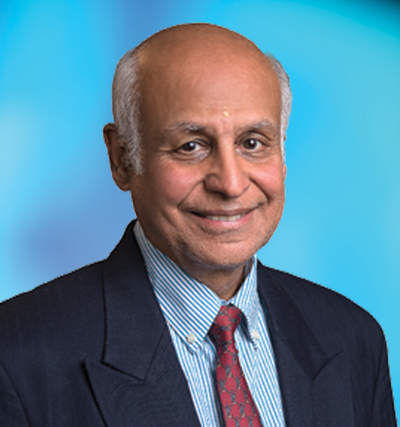
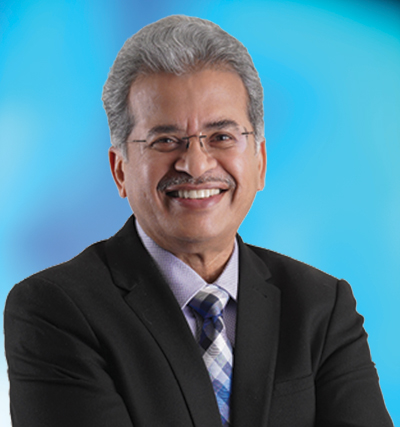
Dr. Niddodi Subrao Rajan

Non-Executive Director

  • 8 years on DBL Board

  • Board Participation: 6/6

Leadership Experience & Qualification

  • Nearly 40 years of global leadership experience across HR and strategy

  • Former CHRO at Tata Sons; ex-CEO of IDFC Foundation

  • PhD from IIT Delhi; PGDBM from XLRI; Economics graduate from Loyola College

Mr. Anuj Gulati

Non-Executive and Independent Director

  • 2.5 years on DBL Board

  • Board Participation: 6/6

Leadership Experience & Qualification

  • Over 25 years of experience in the insurance sector

  • CEO of Care Health Insurance; former senior leader at ICICI Lombard

  • Chemical Engineering degree from IIT Delhi and an MBA from IIM Bengaluru

Mr. Haigreve Khaitan

Non-Executive and Independent Director

  • 2 years on DBL Board

  • Board Participation: 4/6

Leadership Experience & Qualification

  • Over 30 years of legal expertise in Corporate M&A and Private Equity

  • Recognised as Dealmaker of the Year (2019, Asian Legal Business Awards)

  • Law graduate from South Kolkata Law College

Committees

  • Audit Committee

  • Corporate Social Responsibility Committee

  • Stakeholders’ Relationship Committee

  • Nomination and Remuneration Committee

  • Sustainability and Risk Management Committee

  • C

    Chairperson

    M

    Member

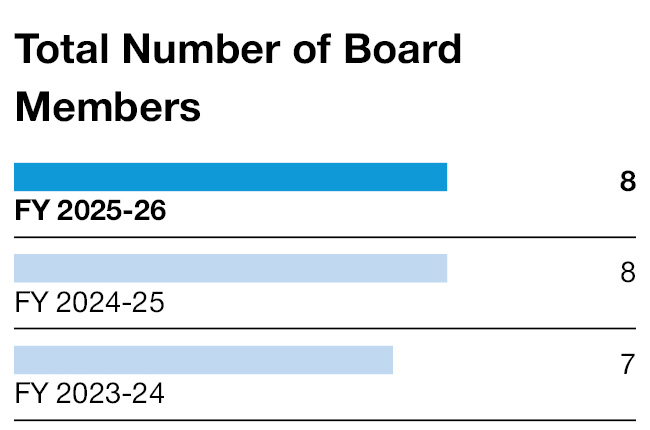
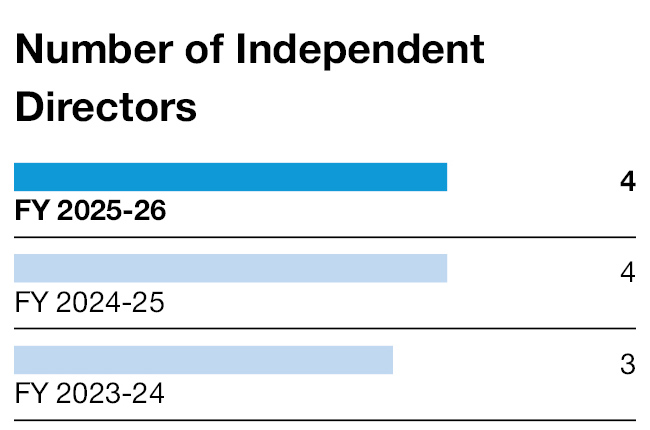
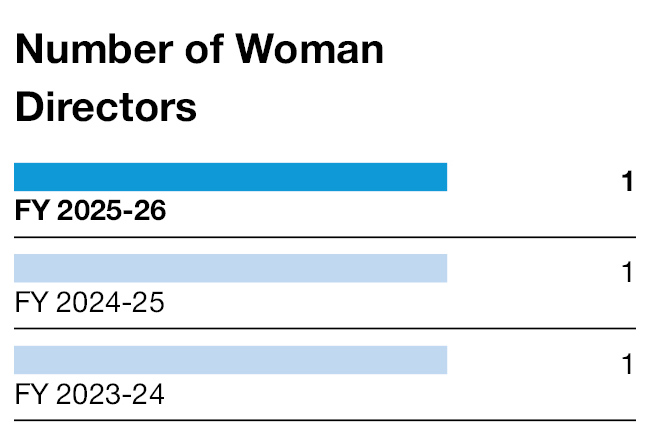
Board Composition Overview

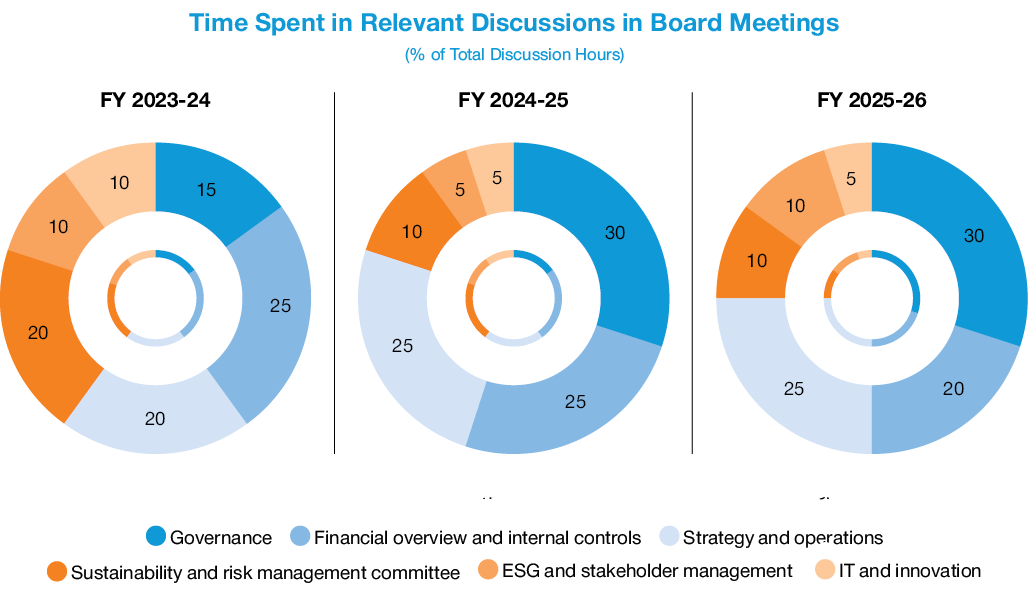
Board Expertise

We are committed to strengthening Board effectiveness through continuous learning and capability development. Directors participate in structured training programmes focussed on corporate governance, ESG priorities, and emerging industry trends, equipping them to navigate an increasingly dynamic business and regulatory environment with insight and confidence.

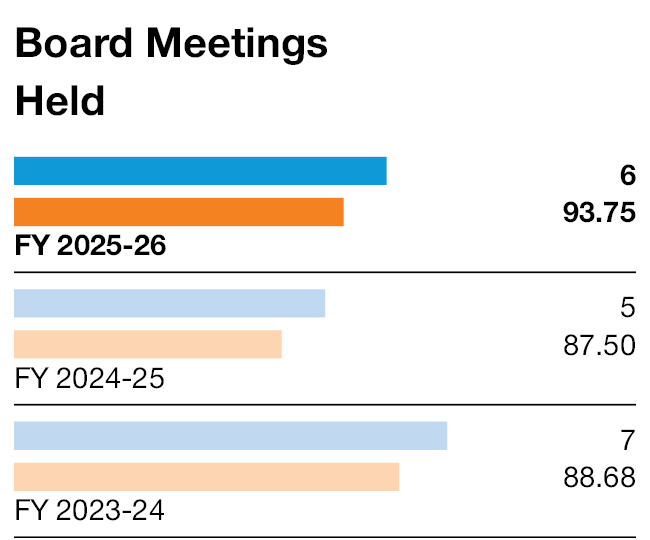
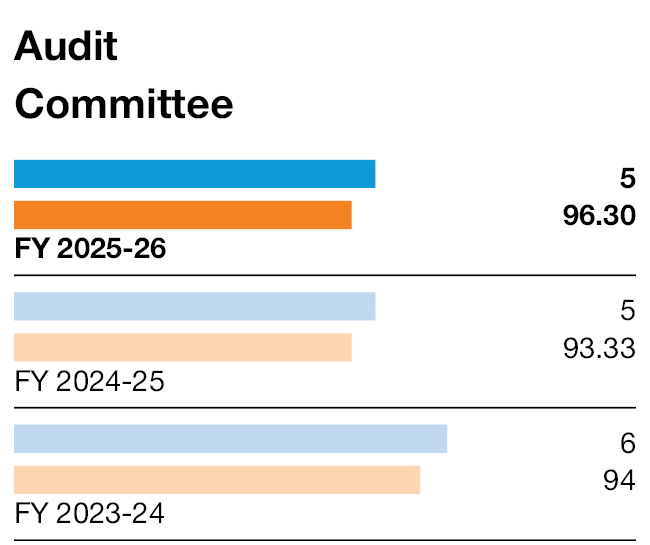
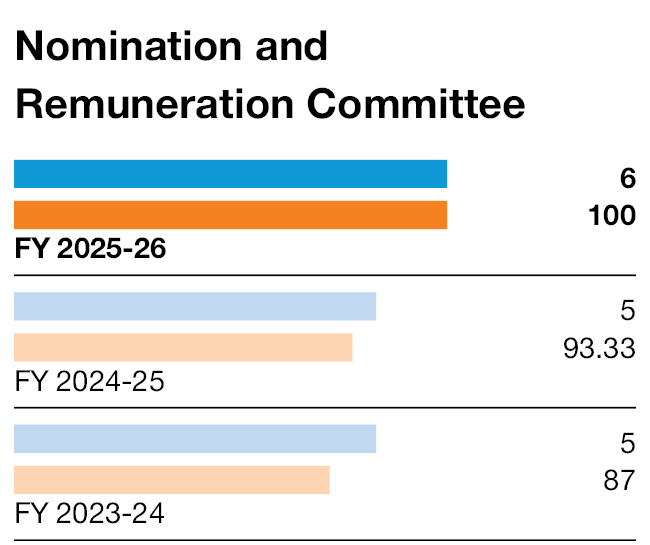
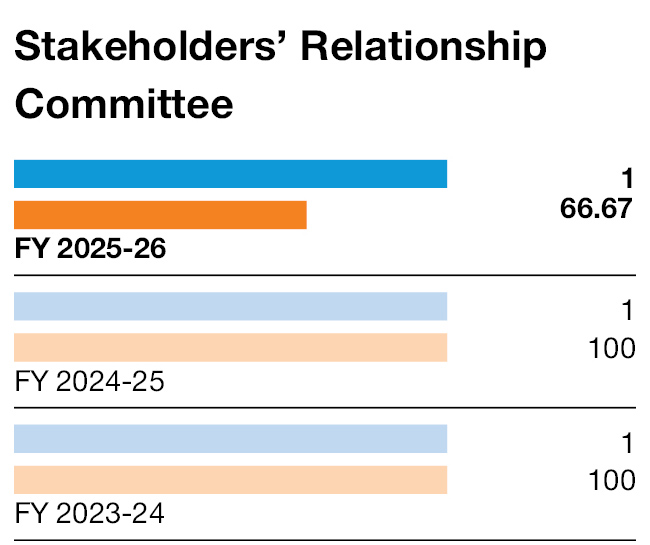
  • Meetings Held

  • Attendance (in %)

  • Governance

  • Financial overview and internal controls

  • Strategy and operations

  • Sustainability and risk management committee

  • ESG and stakeholder management

  • IT and innovation

Board Performance Evaluation

The Nomination and Remuneration Committee, in line with the Nomination and Remuneration Policy, defines a structured framework for evaluating the performance of the Board, its Committees, individual Directors, Key Managerial Personnel (KMP), and senior management.

Evaluations are conducted by the Board, relevant Committees, or independent external agencies, with a strong emphasis on effectiveness, implementation, and compliance.

For further details related to Board Compensation, please refer to the Corporate Governance Report and BRSR Report.

Leadership that Delivers

Mr. Gautam Dalmia

Managing Director

DBL

Mr. Puneet Yadu Dalmia

Managing Director and CEO

DBL and DCBL

Mr. Dharmender Tuteja

Chief Financial Officer

DBL

Mr. K C Birla

Head Projects

DBL

Mr. Udaiy Khanna

Chief Human Resources Officer

DBL

Mr. Rajiv Kumar Choubey

Group General Counsel

DBL

Mr. Yatin Malhotra

Chief Financial Officer

DCBL

Mr. Navin Tewari

Chief Marketing Officer

DCBL

Mr. Ganesh W Jirkuntwar

National Manufacturing Head

DCBL

Mr. Rajeev Kumar

Company Secretary

DBL

Mr. Manu Sood

Chief Digital and Information Officer

DBL

Mr. Anirudh Tara

Chief Strategy Officer

DBL

DBL: Dalmia Bharat Limited

DCBL: Dalmia Cement (Bharat) Limited, a wholly owned subsidiary of DBL

Financial Excellence for Future-ready Growth

At Dalmia Bharat, we remain committed to disciplined financial management even as we deepen our contribution to India’s infrastructure and development journey. Amid an increasingly competitive landscape, we sharpened our sales execution, strengthened our market positioning and improved realisations to expand market share. Supported by prudent capital allocation and a strong balance sheet, we continue to invest responsibly in growth while maintaining sustainable leverage levels, reinforcing our position as a trusted partner in Bharat’s long-term growth story.

Performance Snapshot

Revenue

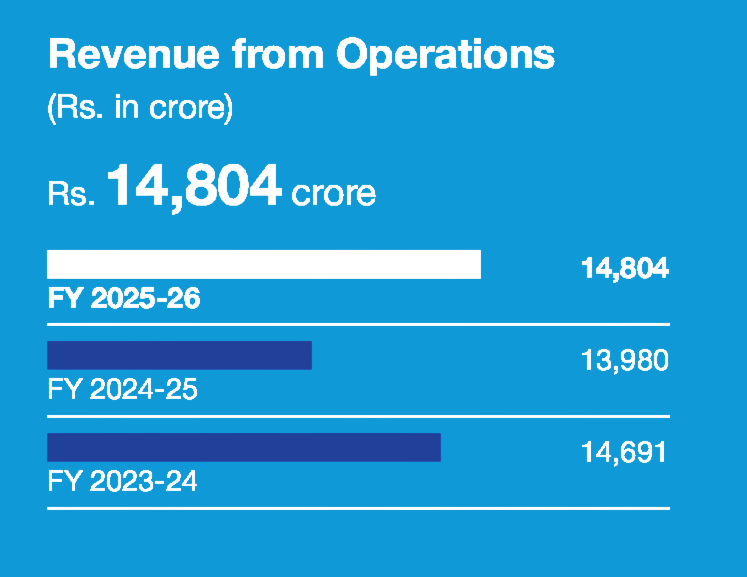
Rs. 14,804 crore Revenue from Operations

Profitability

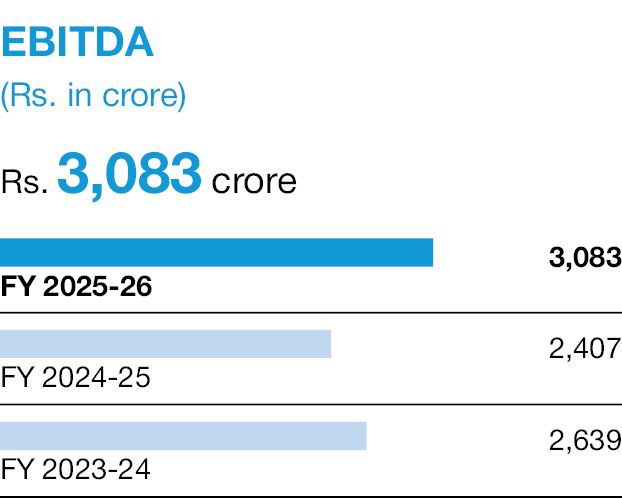
Rs. 3,083 crore EBITDA

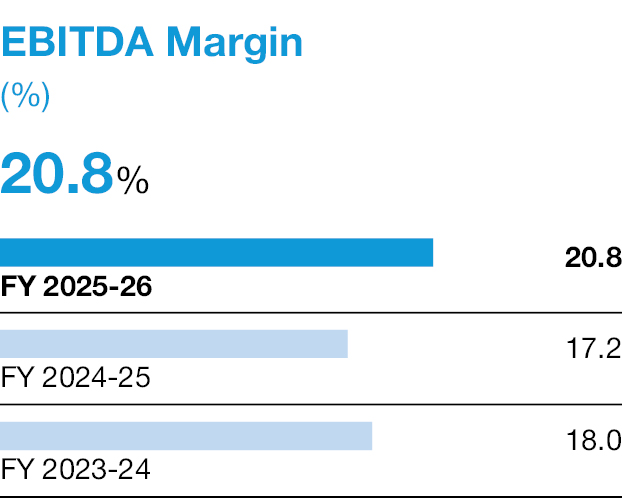
20.8% Operating EBITDA Margin

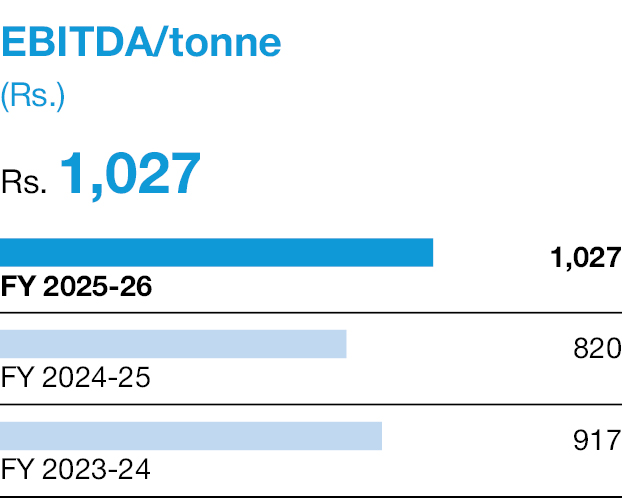
Rs. 1,027 EBITDA/tonne

Balance Sheet

Rs. 33,312 crore Total Asset Base

Rs. 17,979 Net Worth

Shareholder Returns

Rs. 169 crore Total Dividend Paid

14.6% Dividend Payout Ratio

Building Linkages Across

Capital

Financial Capital

Strategies

  • Generate Strong Returns and Maintain a Strong Balance Sheet

  • High Standards of Corporate Governance

Material Issues

  • Economic Performance

  • Business Ethics, Compliance and Integrity

  • Disclosure, Corporate Governance and Transparency

  • Public Policy and Advocacy

Risks

  • Financial Stability & Capital Allocation Risk

  • Regulatory and legal Risk

Stakeholders

  • Investors

  • Government and Regulatory Bodies

  • Employees

SDGs

“FY 2025-26 reflects our continued focus on profitable growth, and responsible expansion as we strengthen our contribution to Bharat’s development journey. We made meaningful progress in improving ROCE across our existing asset base while maintaining a sharp focus on operational efficiency. At the same time, prudent capital allocation remained central to preserving balance sheet strength as we scaled operations in line with our long-term capacity aspirations. As we continue to grow, our priorities remain firmly anchored in creating sustainable value for all stakeholders while supporting the nation’s infrastructure transformation and economic growth ambitions.”

Mr. Dharmender Tuteja

Chief Financial Officer

Resilient Financial Performance

The year opened on a subdued note, shaped by cross-border uncertainties and erratic early monsoons that disrupted economic activity. However, from the third quarter onwards momentum strengthened, with post-monsoon recovery and a supportive economic environment driving robust volume growth. Despite external headwinds in the latter part of the year, our continued focus on profitable growth and deepening cost leadership enabled us to deliver a resilient performance during the year.

Margins, Efficiency and Cost Discipline

Our focus on profitable growth translated into strong operating performance through the year, with sustained high EBITDA per tonne and industry-leading margins. Our premiumisation strategy, coupled with strengthening realisations and brand positioning helped deliver robust performance during the year.

Despite external cost headwinds, including regulatory levies and input price volatility, we continued to deepen our structural cost efficiency agenda, driven by a sharp increase in renewable energy usage, optimising fuel mix and realising supply chain efficiencies. Higher direct dispatches and better asset utilisation further contributed meaningfully to cost reduction. Consequently, this year we achieved our lowest cost per tonne in the last five years.

Capital Allocation and Debt Oversight

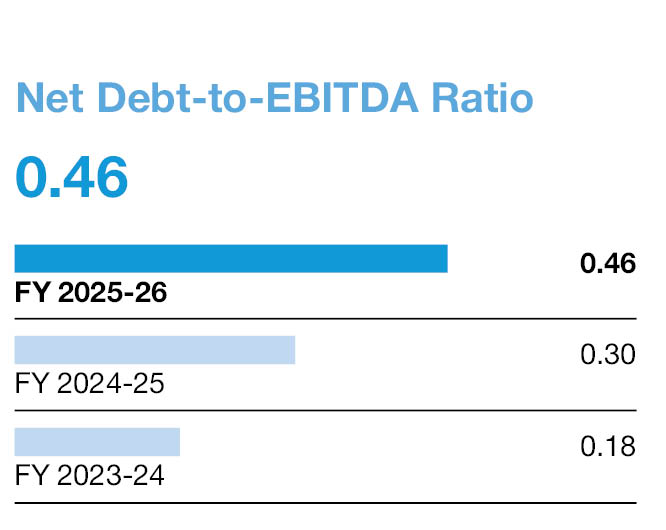
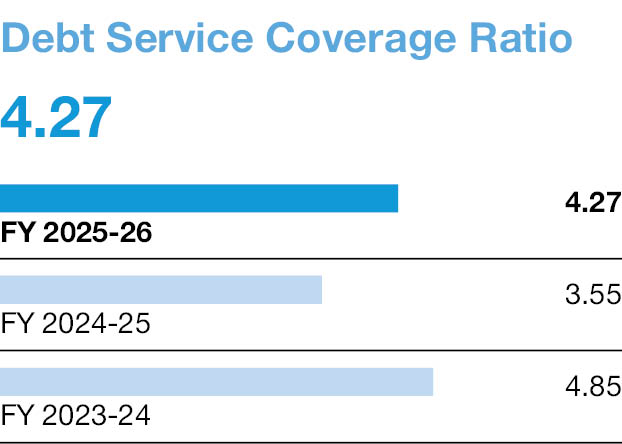
As of March 31, 2026, our gross debt stood at Rs. 6,752 crore, with net debt at Rs. 1,428 crore, resulting in a net Debt-to-EBITDA ratio of 0.46. This reflects our approach to calibrated investments for capacity expansion while maintaining a healthy leverage position. We remain committed to financial prudence, with a clear threshold of keeping the net debt-to-EBITDA below 2.0x, ensuring a balanced capital structure.

Cash Flow and Liquidity Management

Our disciplined cash flow management, anchored in tighter receivables and structured financing, significantly reinforced liquidity across the business throughout FY 2025-26. By optimising our collections process, we achieved a notable reduction in receivable days, ensuring that revenue converted into cash more rapidly than in previous cycles. This deliberate focus led to a marked improvement in our overall cash conversion cycle, mitigating the impact of working capital fluctuations and enhancing internal accruals.

Consequently, this robust liquidity profile enables us to seamlessly fund our ongoing brownfield expansions and strategic green-energy investments without overleveraging. By maintaining this capital discipline, we continue to preserve a healthy balance sheet while positioning Dalmia Bharat for sustainable long-term value creation and market share growth.

Strategic Debt Management

During the year, we strengthened our capital structure by raising debt to support ongoing capacity expansion, backed by an optimised cost of borrowing. Despite higher absolute debt, our leverage remained well within prudent thresholds, reflecting disciplined funding and a continued commitment to maintaining a healthy balance sheet.

Shareholder Value Creation

We remain committed to delivering sustainable returns to our shareholders through a disciplined capital allocation approach. We allocate up to 10% of our operating cash flows towards shareholder returns, including dividends and buybacks. During the year, we declared an interim dividend of Rs. 4 per share and recommended a final dividend of Rs. 5 per share, balancing value distribution with financial flexibility for future growth.

Strategic Capacity Expansion

Our Capex trajectory reflects a calibrated balance between near-term efficiency and medium-term expansion, with a clear tilt towards growth. During the year, about 67% of the allocation was directed towards capacity expansion and land acquisition, while the remaining spend supported renewable energy integration, maintenance, and operational efficiency improvements.

This expansion is underpinned by a disciplined funding strategy. Strong internal accruals of Rs. 2,278 crore during the year provided a robust base, complemented by the prudent use of debt.

Capital Allocation Framework

As one of the first in the industry to formalise a Capital Allocation Framework and Treasury Policy, we ensure that all investments are guided by clear return thresholds and governance discipline. Our expansion is funded through a balanced mix of internal accruals and debt. Despite accelerated growth, we maintained a healthy balance sheet, with net debt-to-EBITDA well within our stated threshold of 2.0x.

Financial Risk Management

We adopt a structured Enterprise Risk Management framework to proactively navigate financial risks. Key exposures, including macroeconomic volatility, geopolitical developments, regulatory shifts and commodity price fluctuations, are addressed through strengthened supply chain resilience, optimised fuel mix and a sharper focus on localised sourcing, ensuring sustained operational stability.

About the Report
Smart Manufacturing for Strong Bharat